Networking refers to the practice of connecting computers and other devices to share resources and information. Networks can be as small as a local area network (LAN) within a home or office, or as vast as the global internet. Networking involves the use of various technologies, protocols, and devices to enable communication and data exchange between connected entities.
Types of Networks:
• Local Area Network (LAN): A network that spans a small geographic area, such as a single building or a campus. • Wide Area Network (WAN): A network that covers a broad area, often connecting multiple LANs across different locations. • Wireless Networks: Networks that use wireless communication technologies, such as Wi-Fi, to connect devices without physical cables.
Networking Devices:
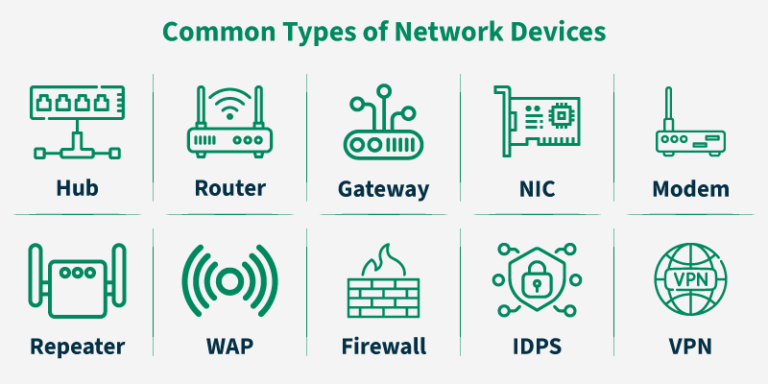
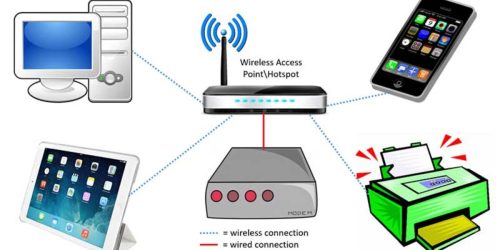
• Router: Connects different networks and directs data between them. • Switch: Connects devices within a single network, facilitating communication between them. • Hub: A basic networking device that connects multiple devices in a LAN. • Access Point: Enables wireless devices to connect to a wired network.
Protocols:
• TCP/IP (Transmission Control Protocol/Internet Protocol): A suite of protocols that governs how data is sent and received over the internet. • HTTP/HTTPS (Hypertext Transfer Protocol/Secure): Protocols for web communication. • FTP (File Transfer Protocol): Used for transferring files between computers. • DNS (Domain Name System): Resolves domain names to IP addresses.
Types of Networks:
• Local Area Network (LAN): A network that spans a small geographic area, such as a single building or a campus. • Wide Area Network (WAN): A network that covers a broad area, often connecting multiple LANs across different locations. • Wireless Networks: Networks that use wireless communication technologies, such as Wi-Fi, to connect devices without physical cables.
Internet:
• The internet is a global network of interconnected networks that use the TCP/IP protocol suite. • ISP (Internet Service Provider): Companies that provide internet connectivity to users. • Web Servers: Computers that host websites and deliver web content to users.
Network Security:
• Firewall: A security device that monitors and controls incoming and outgoing network traffic. • VPN (Virtual Private Network): Provides a secure connection over the internet, often used for remote access.
Wireless Networking:
• Wi-Fi: Wireless technology that allows devices to connect to a network without physical cables. • SSID (Service Set Identifier): The name of a Wi-Fi network. • WPA/WPA2/WPA3 (Wi-Fi Protected Access): Security protocols for securing wireless networks.
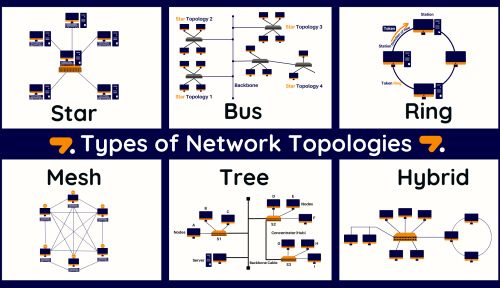
Network Topologies:
• Bus, Ring, Star, Mesh, Hybrid: Different ways in which devices are physically or logically connected in a network. • Understanding networking is crucial for IT professionals, as it forms the backbone of communication in the digital age. Whether setting up a home network, managing a corporate infrastructure, or working on internet-related technologies, knowledge of networking principles is essential.